


When a child in your life is diagnosed with cancer, most of the advice about what to say is aimed at the parents: call the mom, text the dad, and drop off a meal.
But what about the child?
What do you say when you're standing in front of them — at a family gathering, in a hospital room, at church, or at the park — and every word you rehearsed in the car feels wrong?
Most people default to one of two things: they over-explain their feelings ("I've been so worried about you, I haven't been able to sleep"), or they go completely silent and wait for the moment to pass.
Neither helps, and kids notice regardless.
No one expects you to have the perfect words, and the perfect words won’t fix things anyway. You just have to show up with the right instincts and know a few things to definitely avoid.
First: Talk to them like a kid, not a patient
The most common mistake well-meaning adults make is leading with the diagnosis.
The moment you walk in and your first words are about cancer — how hard this must be, how brave they are, how much everyone is praying for them — you've made the illness the center of the conversation.
For a child who spends most of their time being treated as a patient, that's the last thing they need.
Start somewhere else:
- Ask about the video game they're playing.
- Notice the poster on their wall.
- Ask who they’re rooting for in their favorite sport.
- Talk about the craft they’ve been working on.
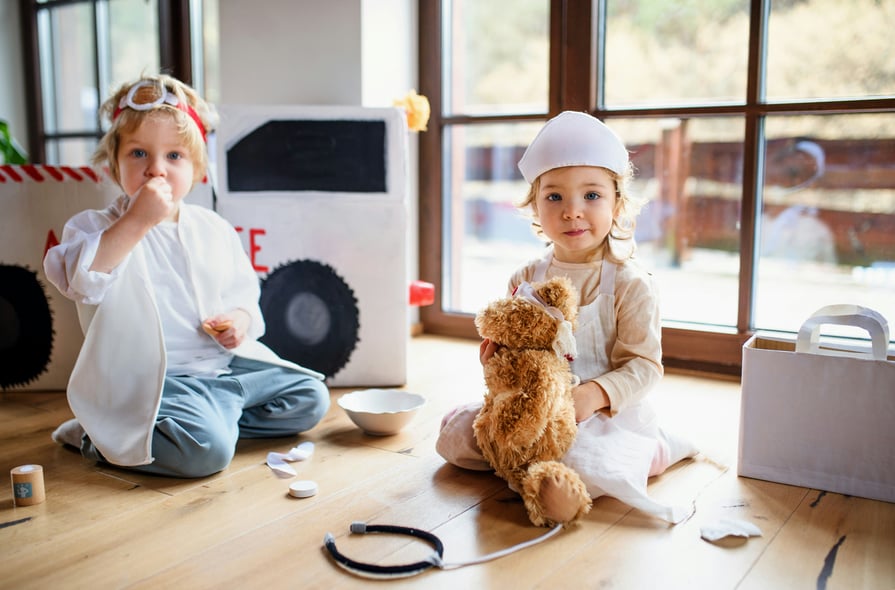
Younger kids especially respond to being treated as themselves first. A seven-year-old who's been poked and monitored all week really just wants someone to sit on the floor and ask if they want to play.
So sit, and play. And don’t feel like you need to talk about cancer at all.
Teenagers are a little more complicated. They often have a clearer understanding of what's happening medically and may want to talk about it on their terms.
You don’t need to avoid the subject entirely, especially if the child steers in that direction, but don't force it either. A simple "I'm here if you ever want to talk about it," said once, no pressure, is enough.
Then talk about something else.
What Not to Say
Retire these phrases, even if they feel natural to say:
"You're so strong." Children with cancer hear this constantly, and while it's meant as a compliment, it can place pressure on them to put on a brave face. A child who is scared, angry, or exhausted doesn't need to wonder if that makes them weak.
"Everything happens for a reason." For younger kids, this lands as confusing. For older kids and teens, it can land as dismissive and insincere. Skip it.
"You've got this." Cheerful, well-intentioned, and not especially useful. It puts the outcome on them.
"I can't imagine what you're going through." This one is tricky because it comes from a genuine place, but it tends to make the child feel more isolated rather than less. They're already aware that most people can't imagine it.
So…What Should You Say?
Specific, low-stakes questions work better than open-ended ones, especially with younger kids. "What's your favorite TV show?" is easier to answer than "How are you feeling?"
Give them something concrete to respond to, and you take the pressure off. Feelings are complex, and most kids have trouble putting them into words to begin with.
Then, remember that normalcy is comfort.
If you always brought them candy from your work trips, keep doing it. If you used to joke around with them, keep the tone light when they signal they want that. Sometimes the most helpful thing you can do is be the adult in their life who acts like things are still a little bit normal.
And if you say the wrong thing (which most of us will at some point), don't spiral. Just say "that came out wrong, I'm sorry" and move on.
Children are more forgiving than adults give them credit for—if adults own up to their mistakes.
Don’t feel like you need to have a life-changing moment with the kid with cancer in your life. The mundane things that show you see a child for themselves, not for their diagnosis—that you care about them, not just because they’re sick—are what matter most.