


This is the moment you've been counting down to for months, even years: the last treatment session, the final scan showing clear results.
You'd think it would feel like pure relief, and maybe part of it does. But if you're also feeling confused, anxious, or even a little lost now that treatment has ended, you're not alone.
The transition from active treatment to life after cancer is rarely what families expect.
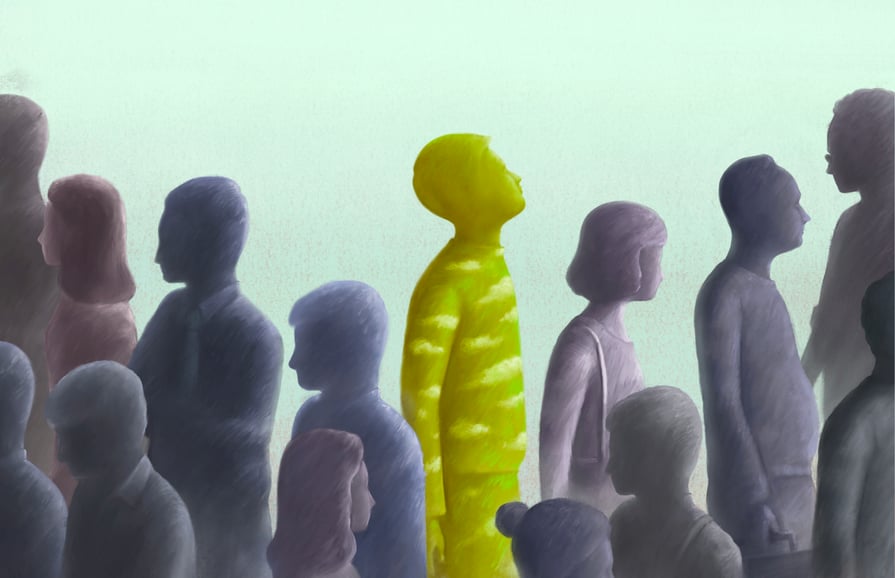
Why the End of Treatment Can Feel So Complicated
During treatment, your days had structure with regular medical appointments and check-ins with your child's care team. You knew exactly what to do, when to do it, and who to call with questions.
The path forward was clear, even when it was difficult.
When treatment ends, that structure largely disappears. Suddenly, you're navigating what comes next without the framework you've relied on for so long.
Many parents describe feeling abandoned or vulnerable during this transition. Without frequent medical oversight, you're managing the weight of watching for signs of relapse while also trying to let your child return to normal life. It's a strange balance between vigilance and trust because, make no mistake, you’re all dealing with a kind of trauma. Cancer is trauma.
Give Yourself Grace to Adjust Emotionally
You might expect to feel immediate joy when treatment ends. Instead, you might feel:
- Hypervigilance about symptoms: Every fever, bruise, or complaint can trigger anxiety. After months of watching your child's health so carefully, it's hard to recalibrate what's a normal childhood illness versus something more serious.
- Grief for time lost: Once the crisis passes, you may finally have space to process everything your family has been through: the birthdays missed, experiences postponed, and relationships altered.
- Uncertainty about your identity: Being a cancer parent became part of who you are. As your child moves toward remission and recovery, figuring out who you are again outside that takes time.
- Guilt about conflicting emotions: You're grateful treatment is over while simultaneously struggling with fear and exhaustion. These feelings can coexist, and that's completely normal.
Helping Your Child Go Back to “Normal”
Your child has their own adjustment ahead. Treatment created a unique routine, and they may miss certain aspects of it—the attention from nurses, the predictability of appointments, or even the excuse to skip school responsibilities.
Despite the fear and anxiety and side-effects, your child also probably felt…special. And they might miss that. Here’s how to help:
- Maintaining some structure: While you won't have the same medical schedule, creating new routines helps provide stability. Regular family dinners, weekend activities, or special one-on-one time can anchor your child's week.
- Letting them set the pace for "normal": Some children want to jump back into activities immediately, but others need time to rebuild stamina and confidence. Follow your child's lead rather than pushing them back into everything at once.
- Keeping communication open: Ask how they're feeling about treatment ending. Their emotions might surprise you, and giving them space to express mixed feelings validates their experience.
Practical Steps for Parents
What about you? Taking care of yourself through this transition is just as important:
- Schedule follow-up care clearly: Knowing when scans happen, how often you'll see oncology, and what symptoms require immediate attention provides a framework for when the intensive treatment schedule ends.
- Build your support system intentionally: The community that rallied during treatment may assume you no longer need help. Be specific and honest about ongoing needs. Just because treatment is over doesn’t mean you don’t need support!
- Give yourself permission to rest: You've been operating in crisis mode. Your body and mind need time to recover, too. This might mean scaling back commitments or saying no to things you'd normally do.
Moving Forward Together
The end of treatment isn't a finish line where everything instantly returns to how it was before diagnosis. It's a transition point where your family begins building what comes next. That takes time, patience, and grace for everyone involved.
Your child has shown incredible strength throughout treatment, and now they have to learn how to be a kid again. And you have to learn how to be you again.
At Cancer Kickers Soccer Club, we know that supporting our teammates and their families doesn't end when treatment does.
The community that walked alongside you during the hardest days is still here— from beginning to end and far beyond.