


When your child is facing cancer treatment, the holidays bring an unexpected layer of complexity to age-old traditions.
That letter to Santa sitting on the kitchen counter might list "no more cancer" right alongside requests for LEGOs and video games. The elf on the shelf feels trivial when you're counting down to the next scan. And the magic you've worked so hard to preserve suddenly bumps up against a medical reality that's anything but magical.
These moments aren't about choosing between honesty and hope—they're about honoring both.
When Holiday Wishes Get Heavy
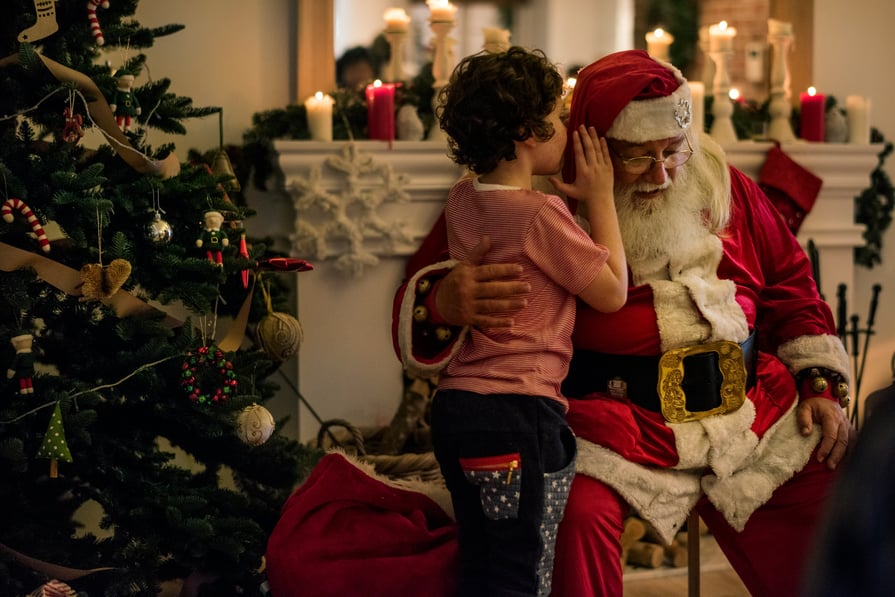
It's completely natural for kids to turn to Santa with their biggest wish: to feel better, to come home from the hospital, or for treatment to end.
They're processing their experience through the lens of childhood, where Santa represents possibility and someone who might have answers even grown-ups don't.
If you notice this happening, you don't need to discourage it or correct it. Instead, you might sit with your child and acknowledge that their wish matters deeply to you, too. You can explain that doctors and nurses are working really hard on the medical stuff, and that Santa's job is to bring joy and surprises, which everyone needs, especially during tough times.
Some families find it helpful to suggest adding other items to the list, too. "What else would make you smile this year?" opens space for your child to think about what brings comfort and happiness alongside their bigger hopes.
How to Keep Holiday Traditions Flexible
Hospital stays and treatment schedules don't pause for holidays. You might miss the annual tree lighting, skip the cookie decorating party, or spend Christmas morning in a clinic waiting room instead of around a pile of presents.
This doesn't mean the magic disappears. It just looks different.
Kids are remarkably adaptable when they feel the love and intention behind modified traditions. What matters most is that you're together and finding moments of joy wherever you can create them.
Ways to adapt holiday traditions during treatment:
- Move celebrations to match good health days rather than calendar dates (Delayed joy is still joy)
- Bring traditions to the hospital (portable trees, battery-operated lights, special pajamas)
- Create new, simpler rituals that require less energy (like holiday movies with cocoa)
- Let siblings lead some activities while you supervise from the sidelines
- Accept help from friends who offer to host, bake, or organize
If siblings are struggling with disappointment about changed plans, it's okay to acknowledge that this isn't what anyone wanted while also helping them understand that being together matters more than perfect timing.
Sometimes the stories families tell years later are about the year they had Christmas in July or decorated a tiny hospital room tree together.
When You're Not Feeling Festive
As the parents of a child with cancer, you might not be in the holiday spirit, either. And that's completely valid. When you're exhausted from treatment schedules and terrified about the future, mustering enthusiasm for reindeer games seems totally beyond you.
Your kids will take cues from you, but they won't expect you to perform joy you don't feel. They need your presence more than your perfection.
It's okay to scale back, to let others help with traditions, or to simply say, "This year is different, and we're going to do what feels right for our family."
If your child is old enough to sense your struggle, brief honesty helps: "I'm working through some big feelings right now, but I love spending this time with you." They learn that it's okay to hold complicated emotions, even during times that are supposed to be purely happy.
Making Room for Both the Magical and the Medical
The holidays during treatment require holding two truths at once: this is really hard, and there can still be moments of genuine joy.
A child can feel sick from chemo and delighted by twinkling lights. A parent can be exhausted and scared and still tear up watching their kid's face light up at a surprise gift.
You're not being naive to embrace small moments of magic. You're modeling resilience and showing your child that hard things and happy things can exist in the same space.
Whether your family celebrates with full traditions or simplified versions, whether Santa brings everything on the list or not, your child will remember that you showed up. They'll remember that you found ways to honor what matters—connection, love, and the people who never stopped being their team.
That's the real magic worth protecting, and it's something no diagnosis can take away.